
-
fortigo.secure@gmail.com
Send Email
-
+91 7204951122
Whatsapp
+91 7204951122
Contact Us
+91 7204951122
Contact Us
Blog Details
Jan
How Security Guards and Housekeeping Staff Work Together to Prevent Risks
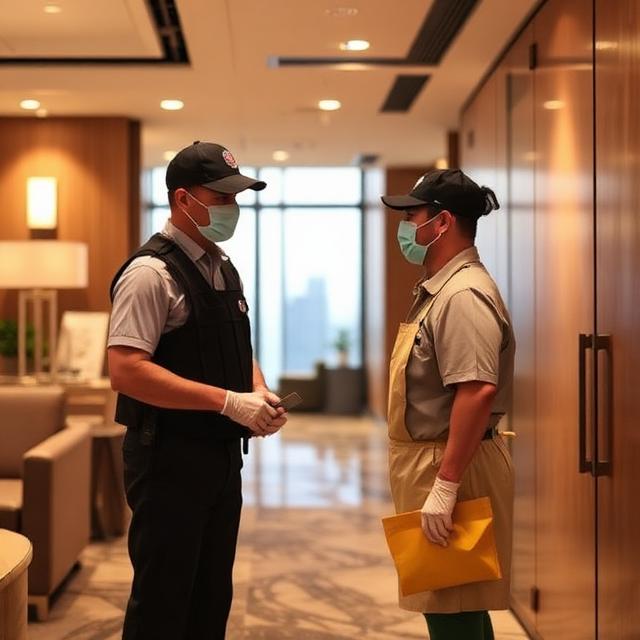
In corporate offices, commercial buildings, hospitals, and residential complexes, safety is not just one department's job. Effective risk prevention relies on teamwork, especially between security guards and housekeeping staff. When these two teams work together, they help identify hazards early, prevent incidents, and maintain a safe, professional environment.
Security guards focus on protection and control, while housekeeping staff ensure cleanliness and hygiene. Together, they form a proactive safety system that reduces operational, health, and security risks.
Understanding Their Individual Roles
Role of Security Guards
Security personnel are responsible for:
• Monitoring entry and exit points
• Controlling access to restricted areas
• Patrolling the premises
• Responding to emergencies
• Preventing theft, vandalism, and unauthorized access
They are the first responders during security incidents and emergencies.
Role of Housekeeping Staff
Housekeeping teams focus on:
• Cleaning workspaces and common areas
• Maintaining hygiene standards
• Clearing walkways, corridors, and staircases
• Managing waste disposal
• Identifying maintenance or safety issues
They are present in the facility every day. This gives them a constant view of potential hazards.
Why Coordination Between Security and Housekeeping Matters
When security guards and housekeeping staff work alone, small risks can go unnoticed. Coordination ensures more effective identification of hazards, improved communication during emergencies, and safer working conditions for everyone.
Key Ways They Work Together to Prevent Risks
Identifying and Reporting Hazards Early
Housekeeping staff often notice issues such as:
• Water spills on floors
• Obstructed emergency exits
• Damaged flooring or loose wires
They immediately inform security teams. Security can:
• Restrict access to the affected area
• Place warning signs
• Escalate the issue to facility management
Early reporting prevents slips, falls, and accidents.
Keeping Emergency Routes Clear
During emergencies, blocked exits can be dangerous.
• Housekeeping keeps corridors, staircases, and exits clear.
• Security makes sure exits stay unlocked and accessible.
• Both teams work together during drills and inspections.
This teamwork is essential for safe evacuations.
Supporting Fire Safety and Emergency Preparedness
Housekeeping staff help by:
• Preventing waste accumulation
• Storing cleaning chemicals safely
Keeping fire safety equipment clear Security guards:
• Monitor fire safety systems
• Assist during evacuations
• Coordinate with emergency responders
Together, they reduce fire risks and improve the response time in emergencies.
Managing Visitor and Contractor Movement
Housekeeping staff often work with vendors and contractors during cleaning or maintenance.
• Security checks identities and access permissions.
• Housekeeping ensures contractors follow safety and hygiene rules.
• They report any unusual behaviour immediately.
This helps prevent security problems and keeps operations running well.
Preventing Theft and Unauthorized Activities
A clean environment lowers health risks like infections, allergies, and pest problems. Security helps housekeeping by limiting access during deep cleaning or sanitization. It also makes sure that safety instructions are followed. Together, they keep the workplace healthy.
Maintaining Hygiene and Health Safety
A clean environment lowers health risks like infections, allergies, and pest problems. Security helps housekeeping by limiting access during deep cleaning or sanitizing. They also make sure safety instructions are followed. Together, they keep a healthy workplace.
Coordinated Response During Emergencies
In emergencies like fire alarms, medical incidents, or evacuations, security manages crowd control and access. Housekeeping helps by clearing paths and guiding occupants. Both teams follow set procedures. Coordination reduces panic and confusion.
Benefits of Integrated Security and Housekeeping Teams
• Fewer accidents and incidents
• Quicker emergency response
• Better workplace safety and hygiene
• Increased employee confidence and morale
• Improved compliance with safety regulations Integrated teams create a safer and more efficient facility
Role of Training and Communication
For effective coordination:
- Both teams must receive regular safety training
- Clear communication channels must be established
- SOPs should define roles during emergencies
- Supervisors should conduct joint inspections
Training helps both teams understand how their roles support one another.
Why Businesses Prefer Integrated Facility Management
Many organizations now opt for integrated facility management services. In these setups, a single provider manages both security and housekeeping.
Advantages Include:
- Unified supervision
- Better accountability
- Consistent service quality
- Cost efficiency
- Stronger safety culture
Conclusion
Security guards and housekeeping staff are not separate support functions; they are partners in preventing risks. When they join forces, they create a safer, cleaner, and more organized environment that protects people, assets, and operations.
In corporate offices and commercial facilities, promoting cooperation between security and housekeeping teams is a wise investment in safety, compliance, and long-term operational success.
A secure workplace starts with teamwork.